The cost to install an HVAC system in New Orleans typically ranges from $4,000 to $11,752, with most homeowners spending an average of $7,712. When determining how much does it cost to install hvac system, factors such as the SEER efficiency rating, system size, and local labor rates will impact the final price.
Navigating a failing air conditioner during a New Orleans heatwave is a stressful experience that often leads to immediate sticker shock. When the humidity is high and your current system stops performing, you need more than a rough estimate; you need a clear financial roadmap. Choosing the right system is a significant investment that impacts your monthly utility bills and long term comfort. This guide provides a practical breakdown of what it costs to install a new HVAC system in 2026. We will explore how square footage changes the bottom line, examine the impact of ductwork on your total quote, and explain the five thousand dollar rule for deciding between repairs and replacement. By understanding local labor factors and Louisiana legal requirements, you can approach your next home project with the confidence of an expert.
Average New Orleans HVAC Installation Costs in 2026
Understanding how much does it cost to install hvac system starts with recognizing the gap between national statistics and local reality. Across the United States, homeowners typically see estimates ranging from 3,000 to 15,000 dollars. However, in the New Orleans market, our data shows a more specific local average of approximately 7,700 dollars for a standard installation. While this sits comfortably below the national ceiling, the unique demands of the Gulf Coast frequently shift these figures.
The cost varies significantly based on the scope of the project. A straightforward equipment replacement, where we swap out an aging condenser or air handler while utilizing existing infrastructure, represents the lower end of the pricing spectrum. Conversely, a full system overhaul involving new ductwork, advanced filtration, and high efficiency configurations will naturally command a higher investment.
As a professional HVAC service provider, we see how our local environment dictates these costs. The intense Louisiana humidity requires systems that do more than just lower the temperature; they must manage moisture levels effectively to prevent indoor air quality issues. For a precise assessment of your property, you can contact our expert team to evaluate your specific cooling needs and structural requirements.
How Much to Install HVAC in a 2000 Sq Ft House Versus a 1500 Sq Ft House
When calculating how much does it cost to install hvac system for your specific property, square footage is the primary factor in determining the capacity, or tonnage, of the equipment. In New Orleans, a 1,500 square foot home generally requires a 2.5 to 3-ton unit, while a 2,000 square foot property typically necessitates a 3.5 to 4-ton system. Tonnage directly correlates with price because larger units require more refrigerant, larger evaporator coils, and more powerful compressors.
Home Size (Sq Ft) | Typical Capacity (Tons) | Estimated Local Cost Range |
|---|---|---|
1,500 | 2.5 - 3.0 Tons | $6,200 - $8,500 |
2,000 | 3.5 - 4.0 Tons | $7,800 - $11,500 |
In our Gulf Coast climate, we frequently prioritize high latent cooling capacity, which is the system's ability to pull moisture from the air. A professional HVAC service provider might recommend a slightly larger ton unit or a variable speed system to ensure the home stays dry as well as cool. If a unit is sized strictly by square footage without accounting for our 90 percent humidity days, the home may reach the desired temperature but remain uncomfortably damp.
Correct sizing is a delicate balance. An oversized unit for a 1,500 square foot home will cycle off too quickly to remove humidity; conversely, an undersized unit for a 2,000 square foot home will run indefinitely, spiking your energy bills. For a precise Manual J load calculation that considers your attic insulation and window orientation, contact our expert team for a detailed assessment.
Understanding the Three Main Cost Drivers: Equipment, Efficiency, and Labor
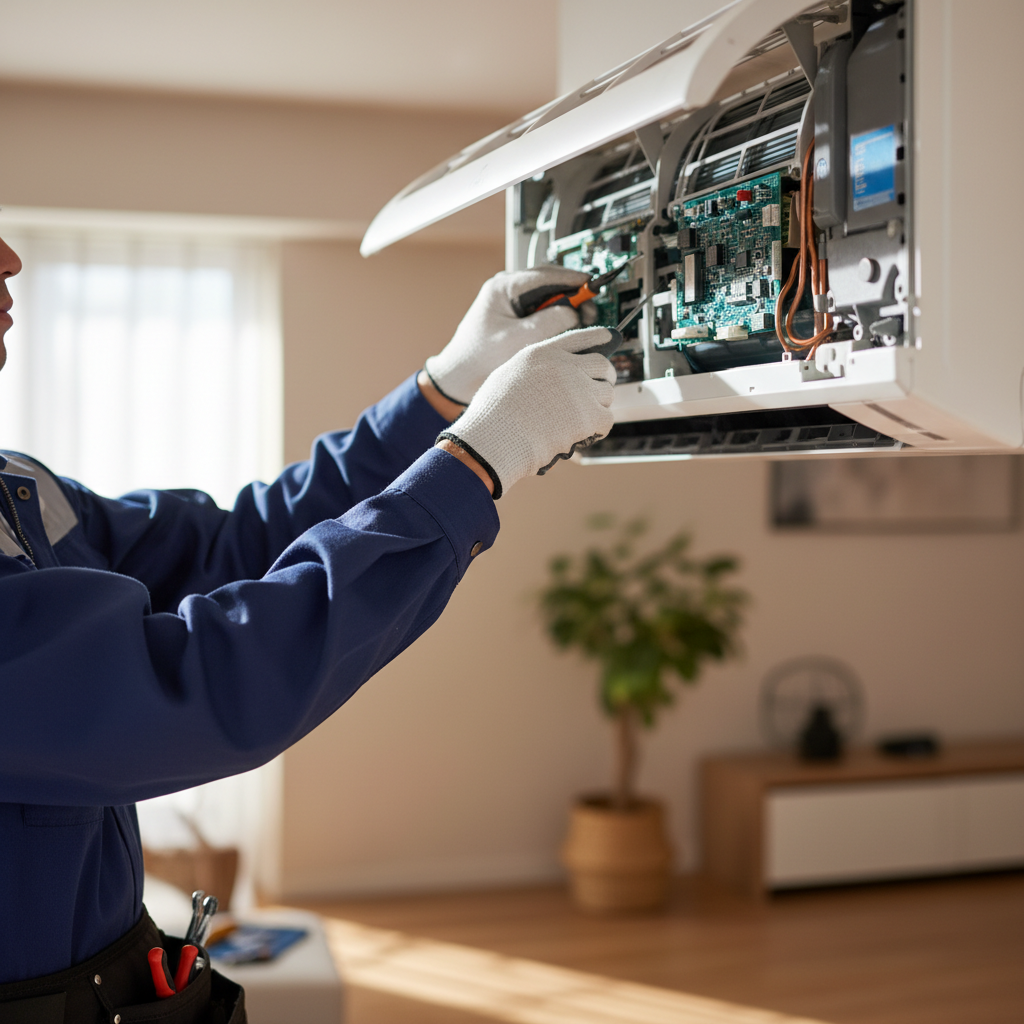
When evaluating how much does it cost to install hvac system, the final quote is generally divided into three primary categories: the hardware itself, the efficiency rating of that hardware, and the technical labor required for a safe installation.
### Equipment Type and Brand The choice between a traditional split system, consisting of a central AC and a gas furnace, and a modern electric heat pump significantly impacts the baseline price. Heat pumps are increasingly popular in New Orleans because they provide both cooling and efficient heating during our brief winters. Brand choice also plays a role; premium manufacturers often carry longer warranties and offer better parts availability. This provides long term peace of mind even if the initial investment is higher than generic alternatives.
### Efficiency and SEER2 Ratings Efficiency is measured by the Seasonal Energy Efficiency Ratio (SEER2). In the humid South, federal regulations require a minimum of 14.3 SEER2 for new installations. While a 16 or 18 SEER2 unit commands a higher upfront price, it utilizes advanced features like two stage or variable speed compressors. For New Orleans residents, these high efficiency systems are often worth the investment because they lower monthly Entergy New Orleans bills and provide superior dehumidification. This is essential for maintaining comfort when outdoor humidity levels exceed 80 percent.
### Professional Labor and Compliance The labor cost to install an AC unit encompasses far more than just moving heavy equipment. As a professional HVAC service provider, our team handles the complex technical requirements that ensure your system operates at peak performance for years. This investment covers several critical steps:
Securing municipal permits to ensure local building code compliance.
Legally reclaiming and disposing of old refrigerant according to EPA Section 608 regulations.
Nitrogen pressure testing to verify the integrity of copper line sets.
Pulling a deep vacuum to remove moisture and non condensables from the system before charging.
Calibrating airflow to match the specific static pressure of your home ductwork.
If you are comparing quotes and notice significant price differences, it is often because of variations in these three pillars. To get a detailed breakdown for your specific home, contact our expert team for a comprehensive consultation.
The Real Cost of Installing HVAC System With Ductwork
When calculating how much does it cost to install hvac system, the condition of your home air distribution network is a major variable. If your existing ducts are undersized, leaking, or contaminated with mold, a simple equipment swap will not deliver the comfort or efficiency you expect. Adding or replacing a full duct system typically adds between 2,000 and 5,000 dollars to your total project estimate, though this figure can scale upward based on the accessibility of your home structure.
In New Orleans, the architectural charm of our historic neighborhoods often complicates these installations. Shotgun houses and Creole cottages frequently feature narrow floor plans with extremely limited attic clearances or tight crawlspaces. Retrofitting these homes requires specialized labor to navigate cramped quarters while ensuring the ductwork maintains proper static pressure. As a professional HVAC service provider, we often encounter situations where standard circular ducts will not fit, necessitating custom rectangular transition pieces or high velocity small duct systems. These structural hurdles increase labor hours and material costs but are essential for preventing hot spots and high energy bills. If you are unsure if your current infrastructure can handle a new high efficiency unit, contact our expert team for a thorough ductwork inspection and air leak assessment.
What is the 5000 Dollar Rule for HVAC Systems?
Beyond infrastructure concerns, homeowners must decide if their aging equipment justifies further investment. This is where the 5,000 Dollar Rule becomes a vital diagnostic tool. To apply this, multiply the age of your equipment by the estimated cost of the repair. If the resulting number exceeds 5,000, the industry standard suggests that investing in a new system is the more financially sound choice. For example, a 600 dollar repair on a 10 year old unit equals 6,000; this signals that your money is better spent on a replacement rather than a temporary fix.
In the Gulf South, we often advise a more conservative approach to this calculation. Because New Orleans experiences a 10 month cooling season, local systems endure far more mechanical wear than those in milder climates. A unit here reaches its limit faster due to relentless humidity and extreme run times. When calculating how much does it cost to install hvac system, homeowners should weigh the upfront investment against the high risk of a catastrophic failure during a July heatwave. As a professional HVAC service provider, we recommend leaning toward replacement sooner if your system shows signs of chronic inefficiency. To get an honest assessment of your current system lifespan, contact our expert team for a diagnostic evaluation.
Local Factors Impacting Your New Orleans HVAC Quote
In New Orleans, humidity is the primary adversary for any climate control system. A standard, single stage unit often cycles off too quickly, leaving the air feeling damp even if the thermostat hits 72 degrees. High latent cooling systems, which focus specifically on moisture removal, might carry a higher initial price tag but are essential for preventing mold and protecting indoor furniture. A professional HVAC service provider will often recommend variable speed technology to maintain a steady, dry indoor climate, which ensures that your home remains comfortable during the peak of August.
Many local properties are raised several feet off the ground to mitigate flood risks. This architectural choice impacts how much does it cost to install hvac system by altering the physical installation path. If the air handler is in the attic of a raised home, the line set, the copper tubing connecting the indoor and outdoor components, must travel much further than in a slab on grade house. Longer line sets require more refrigerant and additional labor to secure and insulate properly. Furthermore, outdoor condensers must often be mounted on elevated stands or hurricane rated brackets to remain above flood elevations, adding material costs to the final quote.
Homeowners in the French Quarter or the Garden District must also navigate the regulations of the VCC or HDLC. These commissions have strict rules regarding the visibility of modern equipment from the street. You may be required to install decorative screening or place units in specific rear locations that require extensive electrical and piping runs. In some cases, the tight alleyways of these historic districts necessitate specialized lifting equipment or crane rentals to place the outdoor unit safely. For a clear understanding of how these local variables affect your investment, contact our expert team to discuss the specific needs of your property.
Can I Legally Install My Own HVAC System in Louisiana?
While the upfront price of professional labor might tempt some to consider a DIY approach, the legal and technical hurdles in Louisiana are substantial. A primary obstacle is federal law; EPA Section 608 certification is strictly required for anyone handling, reclaiming, or charging refrigerants. Without this certification, you cannot legally purchase or install the coolant necessary for the system to function.
Beyond federal mandates, New Orleans building codes require specific mechanical permits and professional inspections to ensure the unit is safely wired, vented, and drained. If you install a system yourself, it will likely fail a home inspection during a future sale, potentially leading to costly teardowns or fines. As a professional HVAC service provider, we also find that manufacturers almost always void the 10 year parts warranty if the unit was not installed by a licensed contractor. To guarantee your investment is protected and compliant with local laws, contact our expert team for a certified installation.