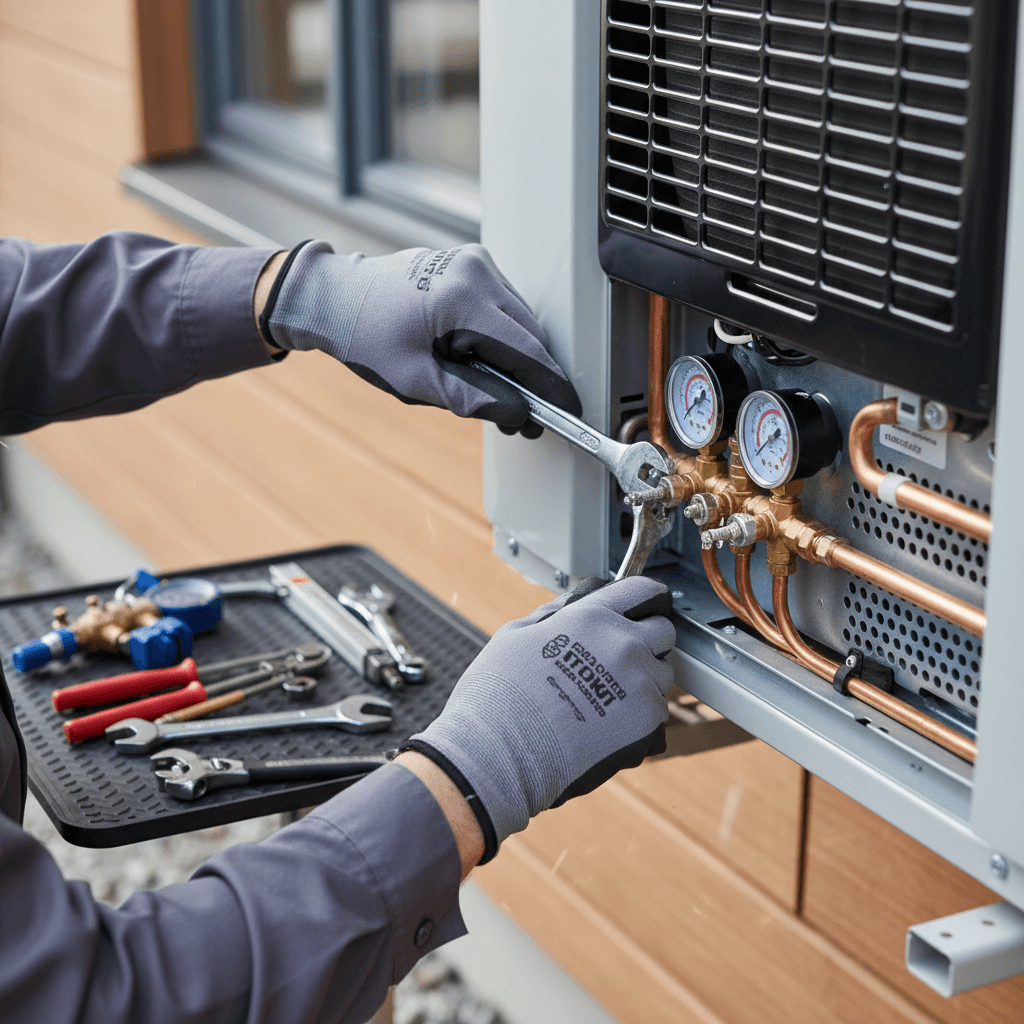
The answer to how much does it cost to install hvac ductwork in New Orleans typically ranges from $2,500 to $7,500, though full system replacements with attic ductwork can exceed $14,000. National installation costs generally fall between $1,500 and $20,000 depending on home size, layout complexity, and material choices.
Living in New Orleans means fighting a constant battle against relentless heat and humidity. If your energy bills are climbing while your comfort levels drop, your aging or poorly designed ductwork is likely the culprit. Many homeowners hesitate to start this project because pricing often feels like a moving target; however, at Lunchbox A/C and Heating, we believe in providing clear, expert guidance. This guide provides a detailed breakdown of 2024 installation costs. We will examine price points for standard home sizes, explore the unique labor challenges of historic shotgun layouts, and compare the pros and cons of flexible versus rigid materials for the Gulf South. You will also learn about the hidden factors like permits and humidity control that impact your final quote. By the end, you will have the practical knowledge required to invest in your home air quality with total confidence.
Understanding the Average Cost to Install HVAC Ductwork
When planning a home improvement project in South Louisiana, determining how much does it cost to install hvac ductwork requires looking at both national benchmarks and specific local variables. Across the United States, homeowners might see estimates ranging from $1,500 for minor repairs to over $20,000 for complex retrofits in large estates. However, for a typical residential property in the New Orleans market, most homeowners should anticipate a price range between $2,500 and $7,500 for a professional installation.
Professional contractors typically break down these costs using two primary metrics: linear footage and the number of vents, which includes both supply and return runs.
Pricing Metric | Estimated Cost Range |
|---|---|
Price per Linear Foot | $15 to $55 |
Price per Vent / Run | $270 to $500 |
These price ranges are notably wide because every home in our region presents a unique set of physical challenges. The primary variables driving these figures are material quality and labor complexity. For example, installing high efficiency rigid metal ducting in a spacious new construction project is a vastly different task than threading flexible ductwork through the cramped, humid crawlspace of a raised cottage. If you are seeking expert HVAC services to evaluate your current system, understanding these unit costs helps provide a baseline for your budget. The final quote will ultimately reflect the technical difficulty of the layout, the number of stories in the home, and the specific insulation standards required to handle the local humidity.
Ductwork Cost by Home Size: 1,500 to 2,000 Square Feet
Homeowners often ask how much does it cost to install hvac ductwork based specifically on the footprint of their residence. For a standard 1,500 square foot home in the New Orleans area, a realistic budget typically falls between $3,000 and $6,000. This range assumes a relatively straightforward single story layout where the attic or crawlspace allows for clear runs to every room.
As the square footage increases to 2,000 square feet, the cost usually scales to between $5,000 and $9,000. This increase is not just a result of more materials; it often reflects the increased complexity of the distribution system. In a 2,000 square foot property, you are likely dealing with more individual rooms, which means more branch lines, dampers, and registers to balance the airflow correctly. Smaller, more compact homes may stay at the lower end of the estimate, while homes with sprawling floor plans require longer duct runs that drive up the total price.
The physical layout of the home is the most significant price driver within these size brackets. A simple ranch style home allows for a horizontal trunk line that is easy to access. Conversely, a multi story home or a property with a split level design requires vertical stacks to move air between floors. These vertical runs often involve cutting through ceilings or floors and navigating tight wall cavities, which significantly increases labor hours and the volume of specialized fittings needed. If your project involves these architectural challenges, you can contact Lunchbox A/C and Heating for a detailed onsite assessment to ensure your layout is optimized for both cost and performance.
The New Orleans Factor: Historic Homes and Shotgun Layouts
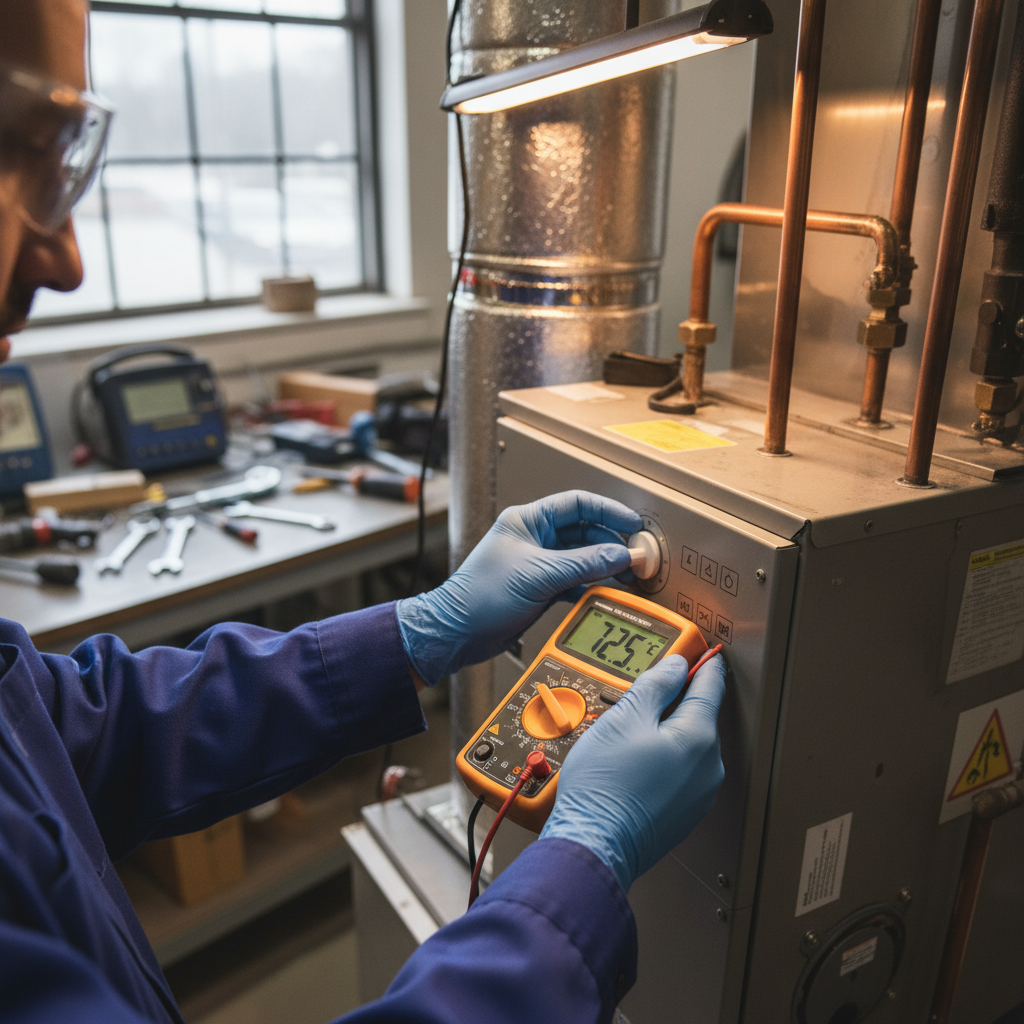
When calculating how much does it cost to install hvac ductwork, the architectural style of your home often outweighs its total square footage. In New Orleans, our historic housing stock presents structural hurdles that modern national pricing guides simply do not account for. Neighborhoods like the Marigny, the Garden District, and the Bywater are defined by shotgun houses and Creole cottages that were constructed long before central air was a consideration.
These homes typically lack the wall cavities and attic clearance required for standard 12 inch rigid trunks. In many cases, retrofitting a system into a property built before 1900 can increase labor and material costs by 20 to 30 percent compared to a modern suburban build. Contractors must navigate solid brick-between-post construction or balloon framing that offers no internal paths for airflow. This physical limitation forces a choice between visible ductwork, invasive structural modifications, or specialized equipment.
To solve these spatial constraints, many local homeowners opt for one of the following approaches:
Option | Description | Cost Impact |
|---|---|---|
Small Duct High Velocity (SDHV) | Uses 2-inch flexible tubing snaked through existing structures; ideal for preserving plaster ceilings. | Higher equipment cost; lower demolition cost. |
Custom Bulkheads (Soffits) | Building wooden enclosures to hide traditional ductwork along the ceiling line. | Adds carpentry and painting labor to the total. |
Underfloor Routing | Running ducts through the crawlspace of a raised foundation. | Requires high-quality insulation to combat ground moisture. |
Small duct systems are particularly popular in historic renovations because they minimize the need for bulkheads that can disrupt the aesthetic of original crown molding. However, if traditional ducting is used, the necessity of building custom soffits to hide the runs will drive up the final invoice. If your historic renovation requires this level of detail, you can contact Lunchbox A/C and Heating to discuss which layout preserves your home’s character while meeting modern efficiency standards.
Materials Matter: Flexible vs Rigid Ductwork for the Gulf South
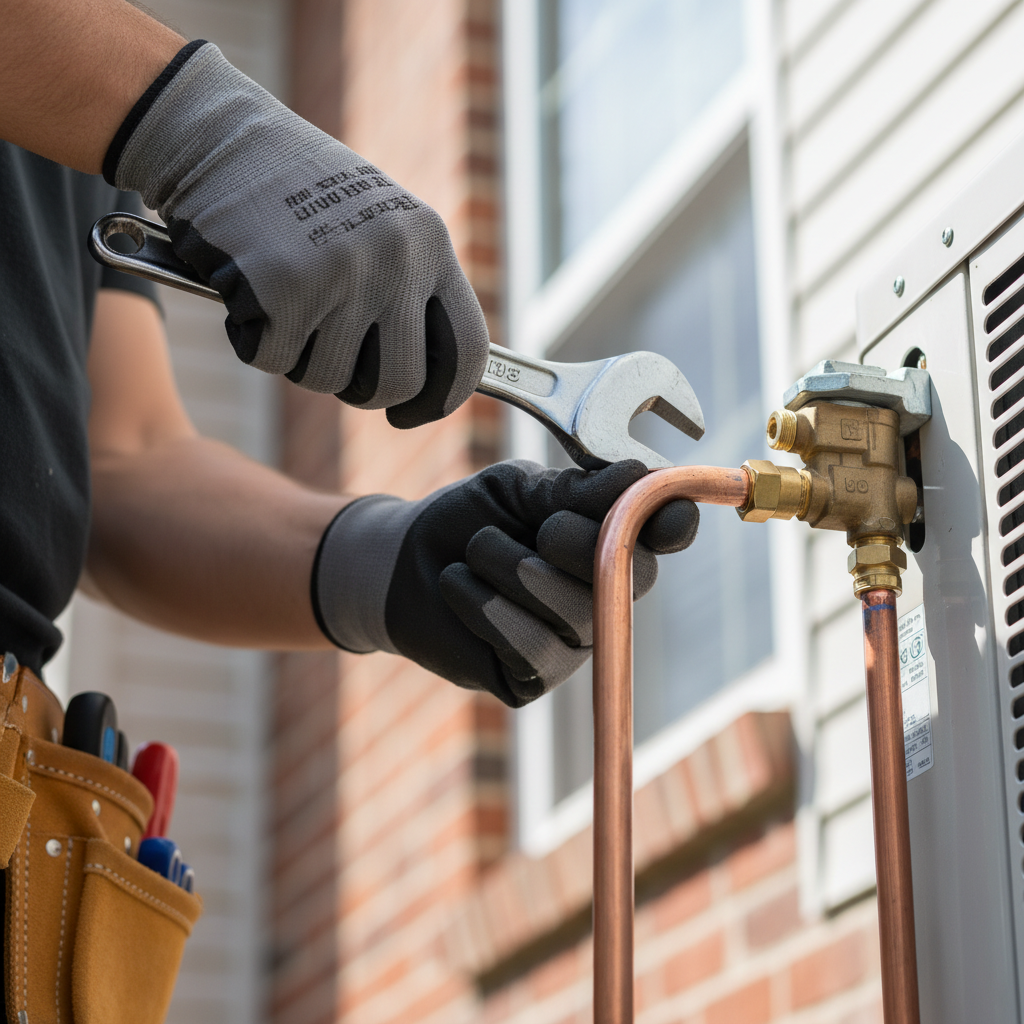
The structural layout of your home significantly influences how much does it cost to install hvac ductwork, but the materials selected determine how that system handles the extreme humidity of South Louisiana. In New Orleans, the choice between rigid and flexible ductwork is more than a simple budget decision; it is a critical factor in preventing condensation and mold growth.
Material Type | Durability | Airflow Efficiency | Best Use Case |
|---|---|---|---|
Rigid Sheet Metal | High (50+ years) | Superior | Main trunk lines; long-term installations. |
Fiberboard | Moderate | Fair | Acoustic dampening in specific segments. |
Flexible (Flex) Duct | Low (15-20 years) | Lower (if poorly installed) | Tight crawlspaces and historic retrofits. |
For New Orleans homeowners, insulation thickness is non negotiable. Standard R-6 insulation often falls short in 130 degree attics. We recommend R-8 insulation for all ductwork to provide a robust thermal barrier. Without sufficient R-value, cold air passing through the ducts causes the exterior surface to sweat when it hits the humid ambient air, leading to water damage and organic growth.
While flexible ductwork is attractive for its lower price point and ease of routing through narrow Marigny crawlspaces, it is susceptible to kinks that restrict airflow. Rigid sheet metal remains the professional recommendation for main trunk lines due to its smooth interior surfaces and longevity. A hybrid system featuring a rigid main trunk with short, properly tensioned flex runs to individual registers often provides the best results for local climate control. For a professional evaluation of which material fits your attic’s environment, you can contact Lunchbox A/C and Heating for an expert HVAC services consultation.
Labor and Accessibility: The Attic and Crawlspace Challenge
The physical environment of the installation site is often the biggest variable when determining how much does it cost to install hvac ductwork. In New Orleans, summer attic temperatures frequently exceed 130 degrees. This extreme heat necessitates specialized safety protocols, including mandatory hydration breaks and rotating crew shifts to prevent heat exhaustion. Because labor in these conditions moves at a slower, more deliberate pace, projects in active summer months can see higher labor totals than those scheduled during the shoulder seasons.
Physical clearance within the structure also dictates the final price. The industry standard 2 foot rule for duct clearance is a frequent hurdle in older New Orleans homes. When a technician has less than 24 inches of vertical space to hang and seal a duct run, the work becomes more physically demanding and time consuming. Similarly, the raised foundations common in South Louisiana offer routing opportunities in crawlspaces; however, if these spaces have limited height or restricted entry points, the difficulty of the install rises. Homeowners should realize that easier access directly correlates to lower labor costs. If you need a professional to navigate these spatial challenges, you can contact Lunchbox A/C and Heating for expert HVAC services tailored to your home’s unique footprint.
Hidden Cost Drivers: Permits, Balancing, and Humidity Control
Beyond materials and labor, several regulatory and technical requirements influence how much does it cost to install hvac ductwork in Orleans Parish. Mechanical permit fees are a mandatory addition to any legitimate project. Furthermore, modern energy codes in Louisiana often mandate HERS testing, specifically duct leakage testing, to ensure the new system is not wasting conditioned air. These tests require specialized equipment and certified personnel, adding a specific line item to your estimate.
Hidden Driver | Purpose | Impact on Performance |
|---|---|---|
Mechanical Permits | Compliance with NOLA code | Ensures safety and standard adherence. |
HERS/Duct Testing | Energy code verification | Minimizes air loss and lowers utility bills. |
Air Balancing | Airflow distribution | Crucial for consistent dehumidification. |
Air balancing is another technical necessity. In our subtropical climate, air balancing is non negotiable because it directly impacts dehumidification. If airflow is unevenly distributed, the system may satisfy the thermostat before pulling enough moisture out of the air in outlying rooms. Be wary of "trunk only" replacements. Low bid contractors frequently ignore the return air capacity to keep costs down. A system with restricted return air will struggle with static pressure issues, leading to premature blower failure and poor humidity control. For a comprehensive system design that includes proper returns and balancing, you can contact Lunchbox A/C and Heating to receive expert HVAC services that prioritize long term performance.
Is Replacing HVAC Ductwork Worth the Investment?
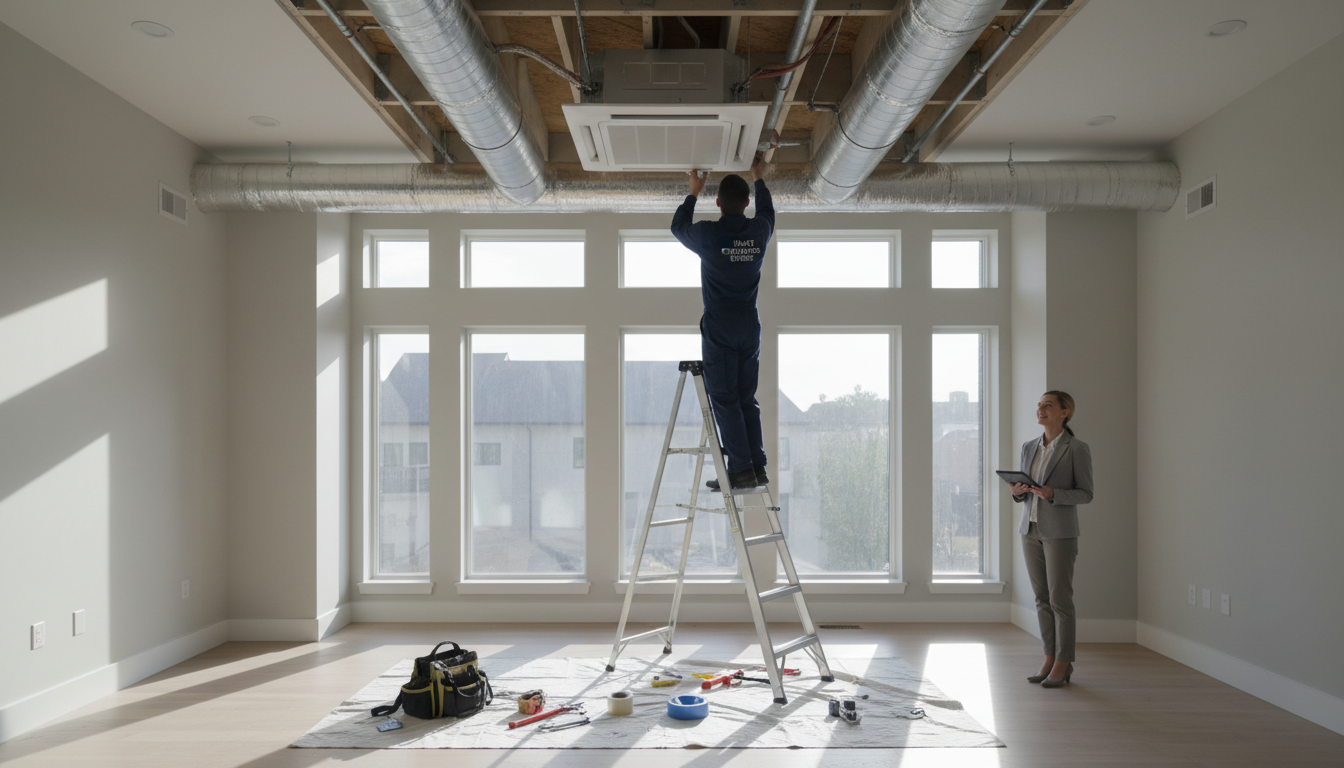
Determining the value of this upgrade requires looking at long term operational costs. In New Orleans, where cooling systems run almost year round, leaky or poorly insulated ducts often waste up to 30 percent of your conditioned air before it ever reaches a room. Replacing outdated runs typically leads to a 20 percent reduction in monthly cooling bills, allowing the investment to pay for itself through improved energy efficiency.
Beyond financial savings, indoor air quality is a primary benefit. Old, cracked ductwork acts as a vacuum, pulling in fiberglass particles, dust, and humid air from unconditioned attics or crawlspaces. This moisture influx is a leading cause of localized mold growth and persistent indoor humidity. When evaluating how much does it cost to install hvac ductwork, consider that modern, sealed R-8 systems significantly reduce allergens and stabilize humidity levels. If your ductwork is over 15 years old, contact Lunchbox A/C and Heating for a professional inspection. Our expert HVAC services can determine if a full replacement is the most cost effective path toward a healthier, more comfortable home environment.
Navigating the costs of ductwork installation in New Orleans requires a balance of budgeting and understanding your home's unique needs. While estimates provide a helpful starting point, every property has specific requirements that influence the final price. If you want expert help ensuring your new system is sized and installed correctly, our team is ready to assist. You can explore our professional Services to learn more about our installation process. We aim to keep your home efficient and comfortable, no matter the weather outside.